What are the benefits of using a fuel management system?
A fuel management system helps businesses control how fuel is stored, dispensed and used. It records each transaction, links fuel to a vehicle or driver and gives fleet managers clearer information about fuel costs, stock levels and unusual activity.
This can reduce avoidable losses and make fuel records easier to manage. Fueltek designs, installs and maintains fuel management systems for businesses across the UK, including transport, logistics, construction, rail and transportation, trades and farming, emergency services, e-commerce couriers, and food and pharmaceutical delivery.

What does a fuel management system do?
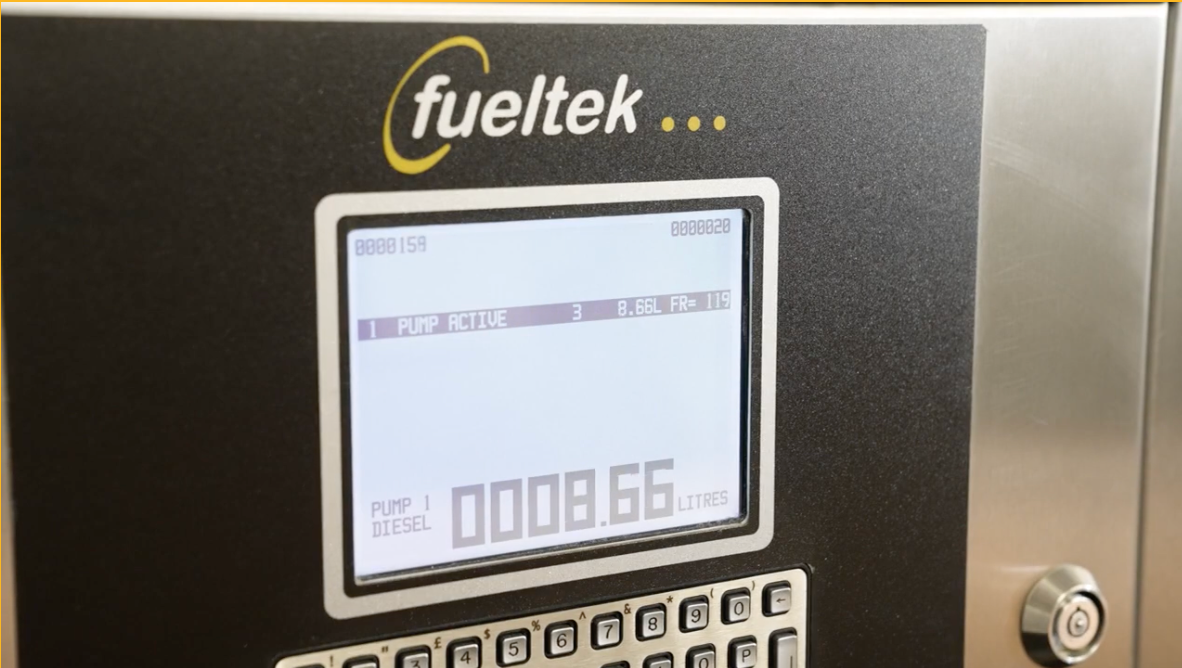
A fuel management system records what happens each time fuel is dispensed. Depending on the equipment installed, it can identify the vehicle or driver, measure the amount taken and record when and where the fuel was dispensed.
The information is then made available through reporting software. Fueltek’s systems use fuel pumps and tank monitoring equipment alongside vehicle or driver identification tools and software such as Fuel Manager Online (FMO). This gives businesses a central record of fuel activity instead of relying only on manual entries or occasional tank checks.
How can a fuel management system help reduce costs?
Fuel is a major operating expense for many commercial fleets. A system helps managers understand where fuel is going and identify activity that needs further investigation.
Reports can show fuel usage by vehicle, driver, department or site. If one vehicle starts using more fuel than expected, the business can check its mileage, maintenance and working pattern. If fuel is dispensed outside normal hours, the transaction can be reviewed.
Onsite refuelling can also reduce the time vehicles spend travelling to external filling stations.
Businesses with high fuel usage may also gain greater control over purchasing by ordering fuel in bulk. The actual saving will depend on the operation, fuel prices and purchasing arrangements.
Can it prevent fuel theft?
It can reduce the opportunity for theft and make unauthorised use easier to identify.
Fueltek’s Fuel Access Control Terminal, known as FACT, controls access to the fuelling point through approved vehicle or driver identification methods. Depending on the configuration, a Datatag, Datadisk, Datacard, magnetic stripe card or other approved access method can link the transaction to the vehicle or driver using the pump.
Every transaction is recorded, creating an audit trail. If the amount taken does not match the vehicle’s activity, or fuel use suddenly increases, the business has information it can investigate. This is particularly useful when several drivers share a pump, vehicles refuel outside office hours or a business operates across different shifts.
How does it improve fuel stock control?
A business needs enough fuel to keep its vehicles working, but ordering too much can tie up money and make stock more difficult to manage.
Fueltek’s TankWatch equipment helps businesses monitor bulk fuel stocks. This can help businesses plan fuel deliveries in advance and respond sooner when stock levels or tank activity need attention.
Managers can check this information remotely rather than relying only on manual measurements. This can help businesses plan fuel deliveries in advance and reduce the risk of vehicles being left without the fuel they need.
Does it help improve fuel efficiency?
A fuel management system does not change driving or vehicle performance by itself. It provides the information needed to identify where fuel may be wasted.
Fuel and MPG reports can help managers investigate:
- Vehicles using more fuel than expected.
- Changes in vehicle performance.
- Differences in fuel use between vehicles.
- Routes or working patterns that may need reviewing.
- Maintenance issues affecting fuel use.
For example, if a vehicle’s fuel consumption changes while its workload stays similar, the fleet manager has a clear reason to check its condition and usage records.
Does it reduce administration?
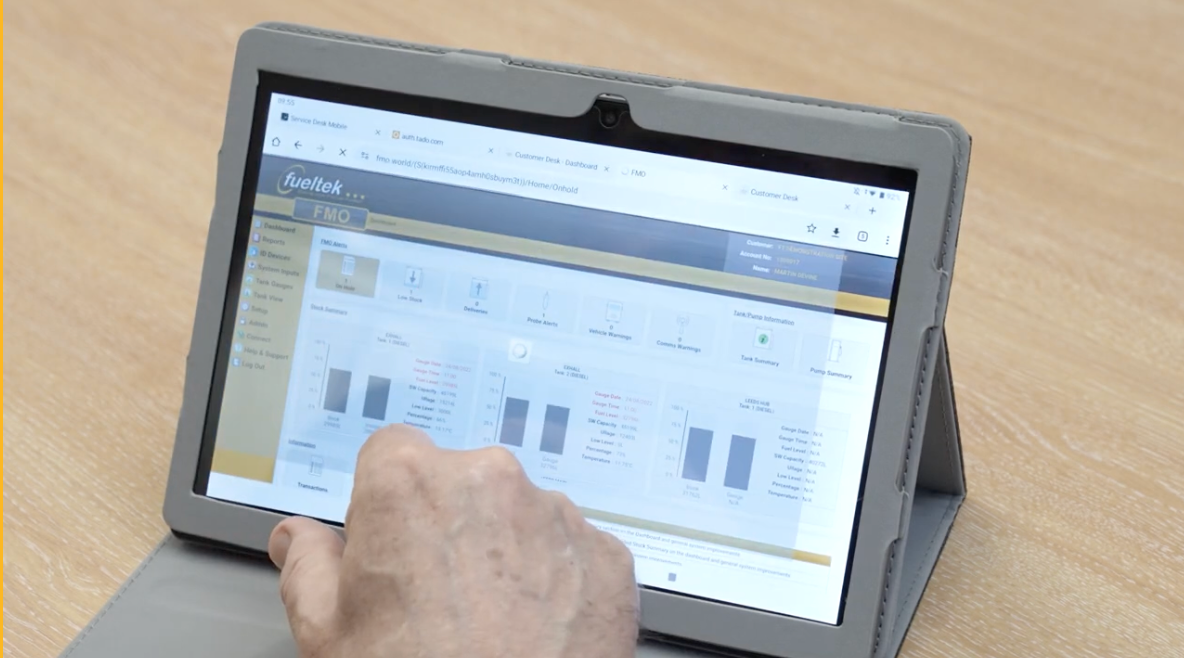
Yes. Fueltek FMO, or Fuel Manager Online, provides online access to fuel information and reports. It can be used to review vehicle totals, individual transactions, driver information, departments, MPG and stock control data.
Authorised users can access the browser based system through an internet or intranet connection. Client computers do not need the software installed, which can make it easier for approved users to review information across different locations.
This can reduce the time spent manually recording and collating fuel transactions.
Can Fueltek systems work with existing pumps?
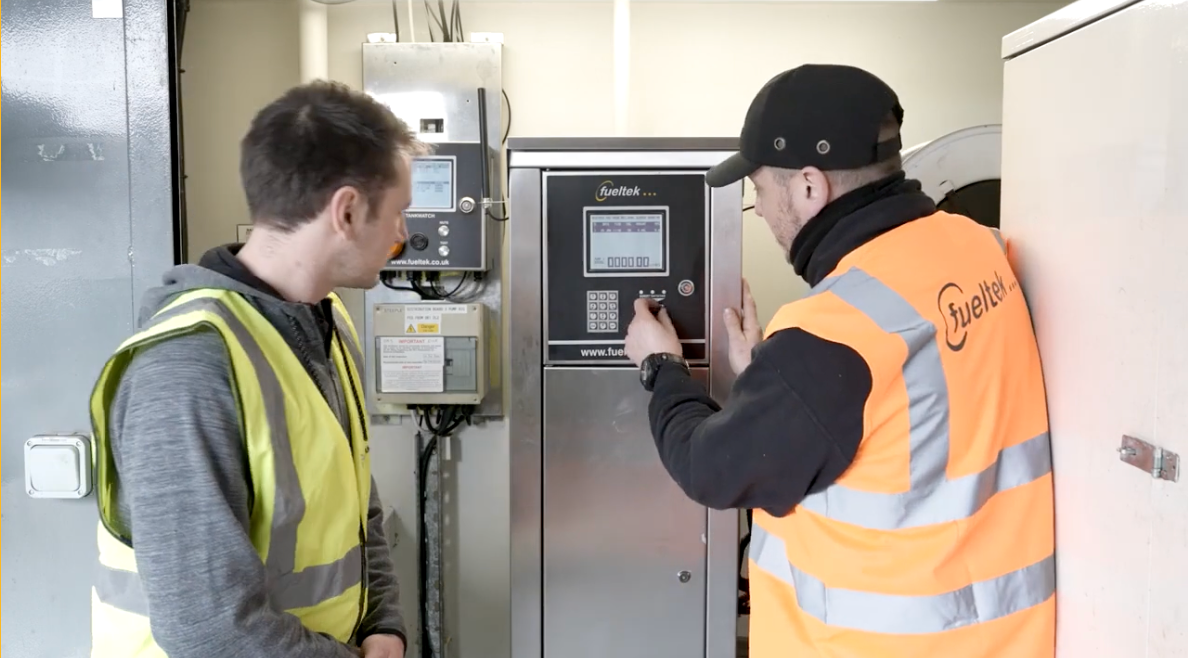
The FT4000 system is designed to interface with existing fuel pumps. This may allow a business to improve control over dispensing without replacing all its current fuel infrastructure.
Fueltek can discuss the existing setup and advise on the equipment and configuration required for the site.
Fueltek also supplies complete fuel management packages, including bunded fuel storage tanks, diesel pumps, monitoring equipment and software.
Are fuel management systems suitable for small fleets?
Yes. A small fleet may still benefit if fuel represents a substantial monthly cost, several people use the same tank or the business needs to control access.
Before choosing a system, ask:
- Can every transaction be linked to a vehicle or driver?
- How accurately can current tank stock be checked?
- How quickly would unusual fuel use be noticed?
- Would onsite refuelling save drivers time?
- Could the system support another vehicle, tank or site later?
Some businesses need a complete installation. Some businesses require a complete installation, while others may only need tank monitoring, pump control or a combination of individual components. The appropriate setup will depend on the site and operational requirements.

Which industries use fuel management systems?
Fueltek works with businesses that operate vehicles, machinery or equipment that refuels on site. Its sectors include construction, rail and transportation, trades and farming, emergency services, e-commerce couriers, food and pharmaceutical delivery, and logistics and supply chain operations.
The requirements will differ between sectors. The requirements will differ between sectors. Construction businesses may need fuel access for plant and vehicles, while courier operations may value the ability to refuel from their own site. For emergency services, dependable access to fuel can support vehicle readiness.
Which fuels can be monitored?
Fueltek’s website lists diesel, HVO and other biofuels, LPG, CNG and electricity used for vehicle charging among the fuel and energy types its systems can monitor. The equipment required will depend on the fuel type, storage arrangement, vehicles and site layout. AdBlue dispensing equipment is also available for businesses that need it.
The most suitable equipment will depend on the fuel type, storage arrangement, vehicles and site layout.
How do I choose the right system?
Start by reviewing the number of vehicles, drivers, pumps, tanks and sites involved. Consider which reports managers need, who should have access and whether the business needs remote monitoring or stock alerts.
Fueltek can review the current operation and recommend a system based on its practical requirements. That may involve integrating existing equipment, installing additional monitoring or supplying a complete fuel management package.
Speak to Fueltek about your requirements
A fuel management system gives businesses dependable information at the point where fuel is dispensed. It can help reduce unauthorised use, improve stock control, identify inefficient fuel usage and reduce manual administration.
Fueltek supplies systems for single depots, large fleets and multi site operations across the UK. Contact Fueltek to arrange a site survey and discuss the right fuel management solution for your vehicles, tanks and fuelling requirements.