FAQs
- Fuel pumps and tank monitoring equipment
- Vehicle or driver identification tools
- Software that records and reports fuel transactions
Every time fuel is dispensed, the system records the amount, the vehicle driver, and the time of transaction. This creates a clear record of fuel usage across your fleet.
The information can then be viewed through reporting software to help identify waste, unusual activity, or inefficiencies.
In most cases, the process looks like this:
- A vehicle or driver is authorised using a card, key or identification device.
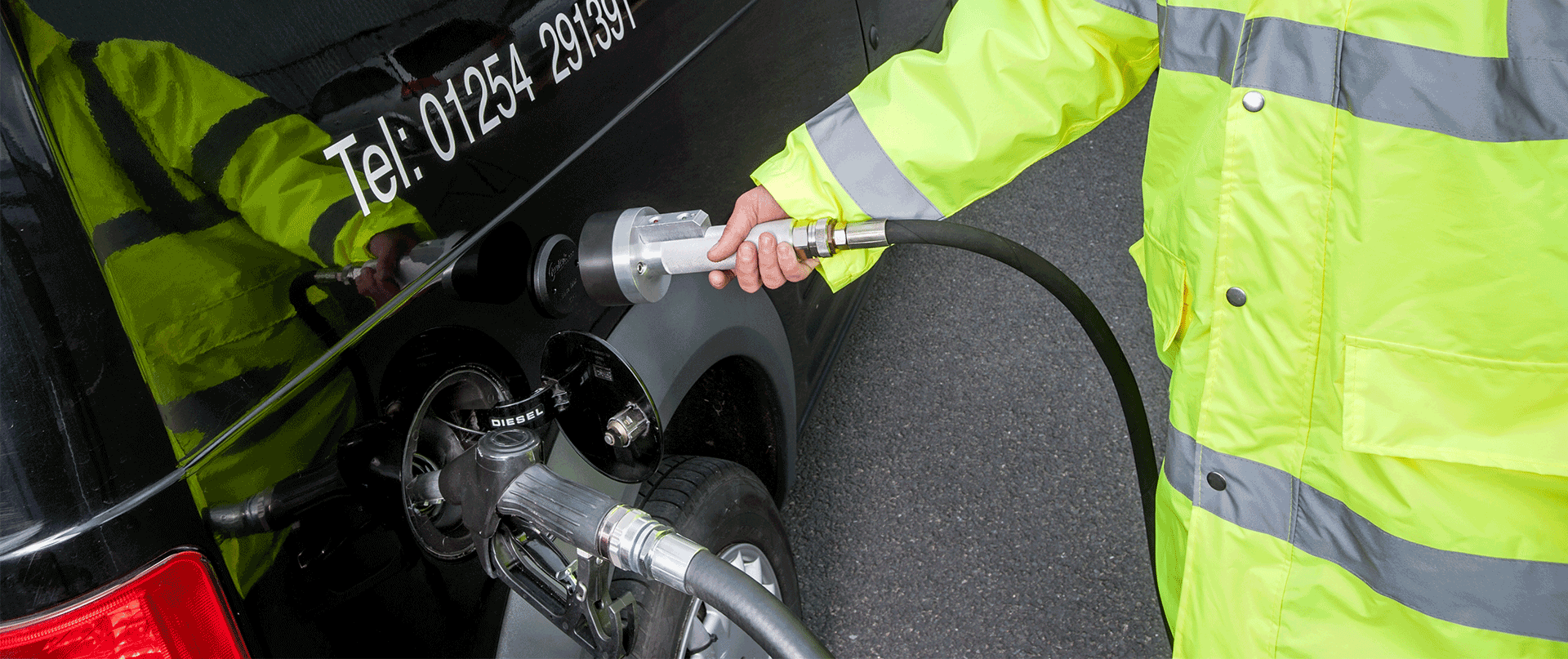
- Fuel is dispensed from a monitored pump.
- The system records the transaction automatically.
- The data is uploaded to reporting software like Fueltek FMO
This allows businesses to monitor fuel usage, track stock levels, and review fuel activity across their operation.
Common benefits include:
- Reduce fuel theft and unauthorised usage
- Clear records of fuel usage by vehicle or driver
- Identification of inefficient vehicles or abnormal fuel use
- Less time spent manually recording fuel transactions
- Better control of fuel costs over time
For businesses that store fuel on site, this level of visibility can make a significant difference to both operational control and running costs.
- Allowing only authorised vehicles or drivers to dispense fuel
- Recording every fuel transaction automatically
- Providing a clear audit trail of fuel activity
- Highlighting unusual or unexpected usage patterns
If fuel use suddenly increases or does not match vehicle activity, the system makes it easier to identify and investigate the issue.
- The size of your site or fleet
- The type of equipment required
- Whether you need a full system or individual components
Some businesses require a complete fuel management installation, while others may only need tank monitoring or pump control.
Fueltek provides tailored quotations based on the site and operational requirements. Many businesses recover the investment over time through improved fuel control and reduced loss.
Fueltek systems can often be installed alongside existing fuel tanks and pumps. During the initial assessment, the team will review your current setup to determine:
- Whether the existing equipment can be integrated
- If any upgrades are recommended
- Whether additional monitoring equipment is required
This approach allows many businesses to improve fuel control without replacing their entire fuel infrastructure.
Common sectors include:
- Transport and logistics
- Construction and plant hire
- Local authorities and public sector fleets
- Waste management and utilities
- Airports and aviation support services
Any organisation running vehicles or equipment that refuel on site can benefit from improved monitoring and reporting.
Reports can include:
- Fuel usage by vehicle or driver
- Transaction history
- Tank stock levels
- Fuel usage trends over time
This information helps businesses understand how fuel is being used and identity areas where improvements can be made.
Depending on the setup, systems can monitor:
- Fuel usage by vehicle or driver
- Fuel tank levels at a depot or site
- Fuel stock levels and delivery requirements
- Fuel activity across multiple sites or depots
All data is recorded automatically and made available through reporting software.
Typical timeframes are:
- Smaller installations: around 2–3 weeks
- Complete fuel management systems: around 12–14 weeks
The installation process usually includes:
- Understanding the operational requirements of the site
- Carrying out a site visit to review the existing setup
- Preparing and configuring the required equipment
- Installing hardware and connecting it to the reporting system
- Testing the system and providing user training
Fueltek systems can monitor a range of fuels and utilities, including:
- Diesel
- HVO and other biofuels
- LPG and CNG
- Electricity used for vehicle charging
The system records usage in the same way, allowing businesses to monitor and manage different fuel types through a single reporting platform.
Support can include:
- Technical assistance
- System maintenance
- Help with software and reporting
- Advice if operational requirements change
Most systems allow each vehicle or driver to be linked to a fuel transaction. This means every time fuel is dispensed, the system records:
- The vehicle or driver
- The amount of fuel taken
- The time and location of the transaction
Savings often come from:
- Detecting and preventing fuel theft
- Identifying inefficient vehicles or equipment
- Reducing fuel waste
- Improving stock control and fuel purchasing
Many systems can be expanded over time. Businesses often begin with a basic setup and add additional features as their needs change.
This may include:
- Additional fuel pumps or tanks
- Monitoring at new depots or locations
- Expanded reporting and software features
Typical data includes:
- The amount of fuel dispensed
- The vehicle or driver authorised to refuel
- The date and time of the transaction
- The location or pump used