How Fuel Theft Happens and How to Prevent It
Fuel theft is a common issue for many businesses that store fuel on site. Fleet operators, construction companies and industrial depots rely on bulk fuel to keep vehicles and equipment running. When fuel levels do not match recorded usage, the financial impact can build quickly.
Many businesses first notice a problem when tank levels and delivery records do not align. A small difference might not seem significant at first, but repeated faults can add up to hundreds or even thousands of litres across a year. The challenge is often visibility. If a site cannot clearly track fuel deliveries, dispensing activity and vehicle usage, unexplained losses become difficult to identify.
This blog explains how fuel theft occurs in everyday operations, what warning signs to watch for, and how better fuel monitoring and management can help reduce the risk.
Fuel theft in day-to-day operations
Fuel theft does not always involve forced access or obvious incidents. In many cases, it happens during normal day to day activity on site.
It generally falls into two areas: external access and internal misuse.
External theft methods can include:
- Fuel is taken by an unidentified person or vehicle without a valid transaction record outside normal working hours
- Fuel is dispensed without entering the correct information.
- A small amount of fuel disappears from a storage tank outside normal working hours.
Internal misuse often happens during routine activity and can be harder to identify. Examples include:
- Staff dispensing fuel without linking it to a specific fleet vehicle
- Incorrect or missing information entered at the pump
- Vehicles refuelling more frequently than expected
These situations do not always indicate deliberate theft. However, they can affect the accuracy of fuel records and make fuel usage harder to track.
Over time, these small differences can add up, leaving less fuel in the tank than records suggest there should be.
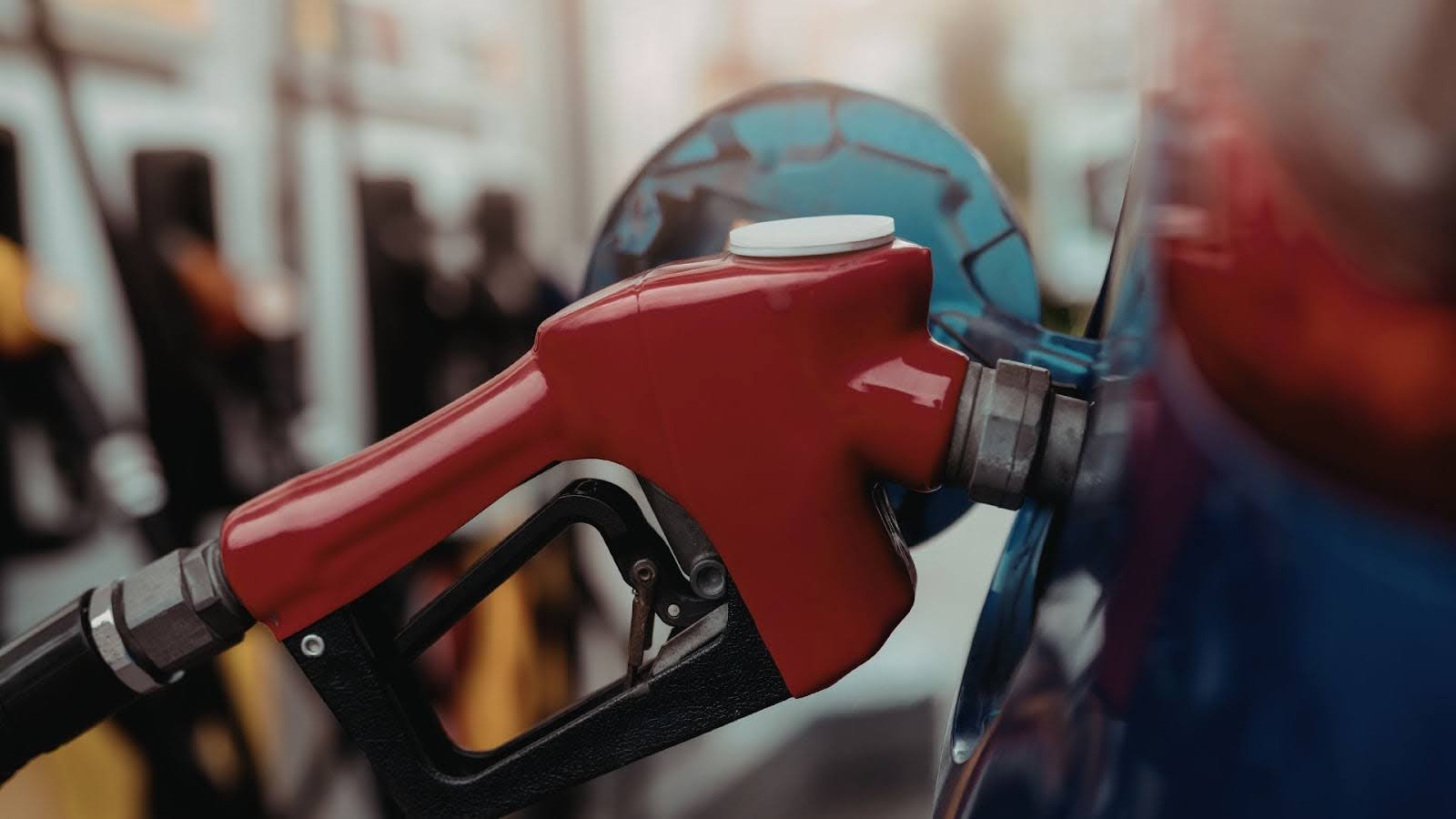
What are the early warning signs of fuel theft?
Fuel theft often becomes visible through patterns rather than a single incident. Site managers may begin to notice small inconsistencies that repeat over time.
Common warning signs include:
- Tank levels that do not match the recorded dispensing
- Vehicles showing unusually high fuel consumption
- Fuel levels are dropping when pumps are not operating
- Deliveries that do not match the expected increase in stock
These signs do not prove theft has occurred, but they indicate that fuel activity should be reviewed more closely.
The three pillars of fuel theft prevention
Preventing fuel theft is less about reacting to a single incident and more about maintaining consistent control over how fuel is accessed, recorded, and monitored.
Pillar 1: Secure Access and Accountability
Only authorised drivers or vehicles should be able to access fuel. This ensures every fuelling event can be linked to a specific user.
Pillar 2: Record Every Fuel Transaction
Each time fuel is dispensed, the system should capture the quantity, vehicle or driver and the time of the transaction. This creates a clear and reliable record of fuel use.
Pillar 3: Monitor and Review Fuel Activity
Tank monitoring systems track fuel levels and help confirm that deliveries and dispensing match expected stock levels. Regular reporting helps identify unusual patterns early.

How do fuel management systems reduce the risk of fuel theft?
Fuel theft prevention is more effective when storage tanks, pumps and reporting systems are connected.
Fuel management systems control pump access and record every fuelling transaction. When combined with tank monitoring, operators gain a clearer view of both fuel storage and dispensing.
Fueltek designs fuel management systems that help organisations track fuel usage across fleet operations and maintain accurate fuel records of fuel dispensing.
Want clearer control of fuel across your site?
Businesses that store fuel on site need a clear picture of how that fuel is delivered, stored and dispensed.
Fueltek specialises in fuel monitoring and fuel management systems that help organisations track fuel usage, monitor storage tanks and control pump access.
If you want better visibility over your fuel use, take a look at Fueltek’s systems or speak with the team about what might work for your site.