
The Fueltek Guide to Fuel Security & Theft Prevention
Fuel security and fuel theft prevention form a core part of fuel management for any site storing diesel onsite. Fleets rely on accurate fuel figures to plan routes, control spend and keep vehicles available. When fuel figures lose accuracy, day to day decisions suffer.
Fuel loss rarely appears as a single incident. It often builds quietly through repeated small issues. Unauthorised access. Poor visibility outside working hours. Differences between tank levels and pump records.
In this guide, we’ll explains:
- How fuel theft happens.
- Where risk enters fuel storage.
- How structured controls reduce loss.
Why Fuel Security Matters for Daily Operations
Fuel represents a fixed operating cost. When fuel data becomes unreliable, planning weakens.
Operators depend on fuel data to:
- Control fuel spend
- Schedule vehicle use
- Plan deliveries ad workloads
- Set maintenance intervals
Unexplained loss forces teams to question reports rather than act on them. Fueltek systems focus on restoring confidence in fuel data through controlled access and continuous monitoring.
How Fuel Theft Typically Occurs
Fuel theft does not always involve forced entry or obvious damage. Loss often hides inside routine activity.
Common causes include:
- Unauthorised refuelling used shared access
- Fuel drawn outside normal operating hours
- Manual siphoning from tanks or vehicles
- Misuse hidden within delivery assumptions
The risk never disappears completely. Structured controls reduce frequency and scale.
Where Traditional Storage Creates Risk
Many sites rely on manual checks and delayed reporting. These approaches create blind spots.
Typical weaknesses include:
- Manual dip readings taken infrequently
- No link between fuel use, vehicle, and driver
- No alerts for abnormal stock movement
- Limited visibility overnight or at weekends
Without a baseline for normal behaviour, loss blends into daily operation.
How Fuel Access Control Reduces Theft
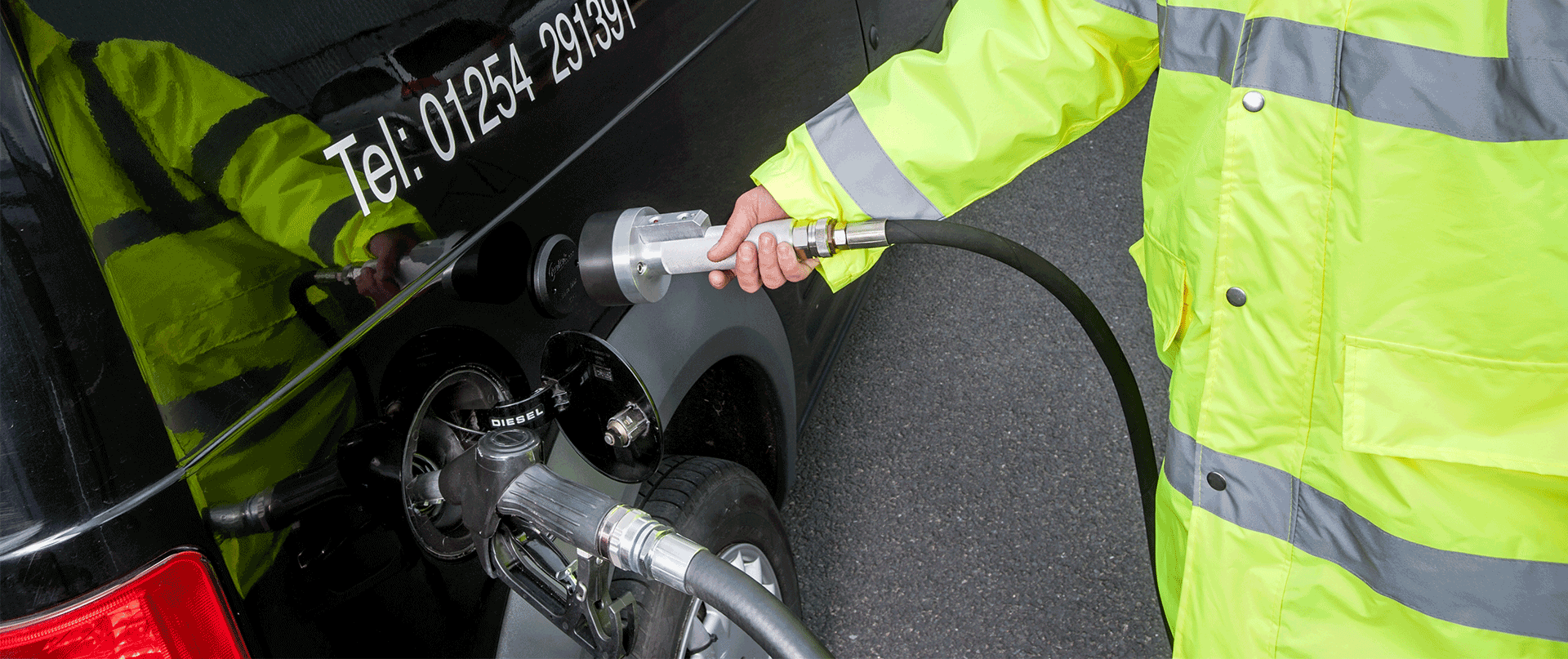
Fuel access control introduces accountability at the point of dispensing. Fueltek systems require identification before fuel flows. Datatag, Datanozzle, and card-based access restrict refuelling to authorised vehicles or operators. Each transaction records time, volume, and identity.
This delivers:
- Clear responsibility for fuel use
- Reduced misuse through visibility
- Accurate transaction records
Access control addresses behaviour. Monitoring confirms outcomes.
How Tank Monitoring Exposes Unexplained Loss
Monitoring focuses on fuel movement inside the tank, not only dispensing activity.
TankWatch measures actual fuel tank levels and compares them with expected figures from dispensing records. Differences highlight leaks, unauthorised use, or delivery inconsistencies.
This provides visibility into:
- Gradual losses over time
- Repeated overnight movement
- Variance following deliveries
Patterns replace assumptions. Investigation replaces guesses.
Practical Steps To Improve Fuel Security
Fuel security improves through routine checks rather than reactive response.
Effective actions include:
- Weekly review of tank and pump reports
- Alerts for unusual stock movement
- Regular review of access permissions
- Clear responsibility for fuel data checks
Small, consistent checks prevent long-term loss.
Fuel Security Across Different Types of Operations
Fuel theft affects all sectors that store fuel on-site: fleets, construction sites, farms, and emergency services. Despite different environments, risks remain similar:
- Multiple users
- Unattended storage
- Variable operating hours
Fueltek systems can be used at many sites and still provide the same level of control and reporting.
Protecting Your Fuel with Fueltek
Fueltek helps keep fuel secure by using access control, tank monitoring, and clear reports. These systems help operators regain trust in their fuel data and reduce the risk of loss.
If fuel storage plays a role in daily operations, structured control improves accuracy and accountability.
Speak with Fueltek to review fuel security options suited to your operation.