
Why Tank Levels Don’t Match Pump Totals
If you are comparing tank levels and pump totals and something does not line up, it can raise a concern straightaway, where has the fuel gone?
This is one of the most common questions for sites storing fuel. In most cases, the difference is not caused by loss or error. It comes down to how fuel behaves and how it is measured across a site.
The difference between tank levels and pump totals is usually normal and is not a sign of fuel loss. It is mainly caused by measurement differences, fuel expansion/contraction due to temperature, and the time required for deliveries to settle.
Understanding the reasons behind it helps you read your data properly and avoid reacting to something that is expected, and Fueltek can help you with that.
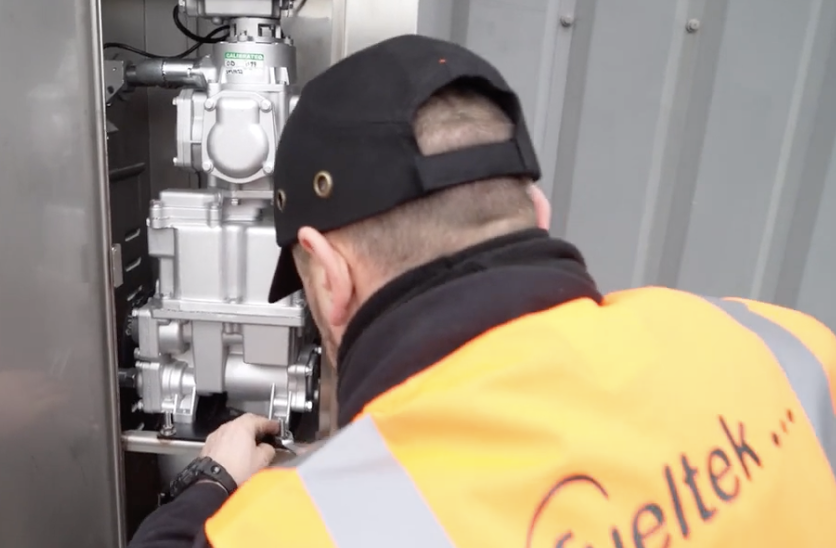
Why don’t tank levels match pump totals exactly?
Pump totals show how much fuel has been dispensed. Tank readings estimate how much fuel remains.
They are based on different measurements, so they will not match perfectly. Small differences are expected. What matters is whether those differences stay steady over time rather than increasing.
Temperature changes and fuel volume
Fuel expands when it warms and contracts when it cools. This affects how much space it takes up inside the tank.
On outdoor sites, this can cause visible changes in tank levels throughout the day without any fuel being added or used. A tank may read higher in warmer conditions and lower when temperatures drop. This causes tank levels to visibly change throughout the day, even if no fuel has been added or used.
This is a normal part of fuel storage and one of the most common causes of variation.
Why doesn’t a delivery match the tank reading straight away?
After a delivery, the tank level may not immediately reflect the full volume added. Fuel needs time to settle. Temperature differences between the delivered fuel and what is already in the tank can also affect the reading.
On top of that, tank gauges estimate volume rather than measuring it precisely.
It is normal for readings to stabilise after a short period rather than increase immediately.
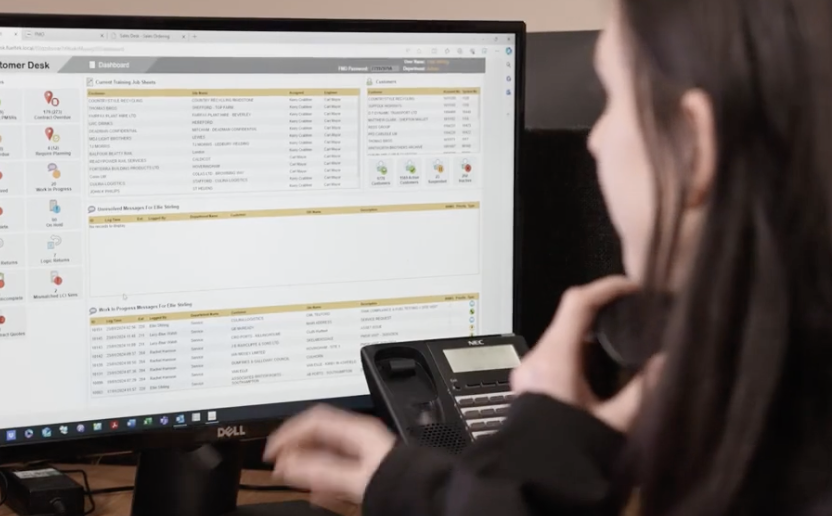
Dead stock and usable fuel
Every tank holds a small amount of fuel that cannot be drawn out. This sits below the suction point or around internal components.
This means the usable fuel is always slightly less than the total volume inside the tank. When levels are low, this becomes more noticeable and can affect how readings are interpreted.
Calibration and gradual change over time
Tank monitoring systems rely on calibration to report accurate levels. Over time, small shifts can occur.
These changes are usually minor, but they can affect how readings compare with expected figures. Regular checks help keep measurements consistent.
Can data entry affect fuel figures?
Yes, and it’s often overlooked. Fuel records depend on what is entered at the point of dispensing. If information is missed or entered incorrectly, the reports will not fully reflect what has happened.
For example:
- A vehicle is not selected during fuelling
- Incorrect details are entered
- A transaction is linked to the wrong asset
The fuel itself has not changed, but the data around it becomes less reliable.
When should a difference be investigated?
Most differences are small and consistent. That is normal.
It should be reevaluated when patterns change or figures stop making sense. This includes:
- Differences that continue to increase over time
- Sudden changes in tank levels without a clear reason
- Fuel movement outside normal operating hours
- Ongoing mismatch between deliveries and recorded stock
Looking at trends over time gives a clearer answer than focusing on a single reading.

Improving visibility across fuel storage and usage
Uncertainty usually comes from limited visibility. When deliveries, tank levels and dispensing activity are all tracked together, it becomes much easier to understand what is happening on site.
You can see how fuel moves from delivery to storage to use, rather than relying on separate data points.
Fueltek fuel management systems bring this information into one place, helping operators track fuel more clearly and identify unusual activity earlier. If you want a clearer view of how fuel is stored and used on your site, take a look at our fuel management and tank monitoring systems or speak with the team about your current setup.