
Fuel Storage Habits That Increase Diesel Risk
Fuel is a major fleet expense, but its quality is often overlooked until equipment fails, like an injector or filter. Drops in MPG, frequent DPF (Diesel Particulate Filter) regenerations, or clustered breakdowns are rarely from a “bad batch,” but usually stem from poor depot storage. Most contamination issues we see develop gradually and can often be reduced with small changes. By correcting storage habits, operations can proactively protect fuel quality instead of reacting to failures.
The Trap of Low Stock Turnover
Many fleet operators default to keeping fuel tanks topped up to maximum capacity. While this ensures supply readiness, excessively long storage periods, specifically, low turnover exceeding 90 days, allow sludge to settle and are highly detrimental to fuel health.
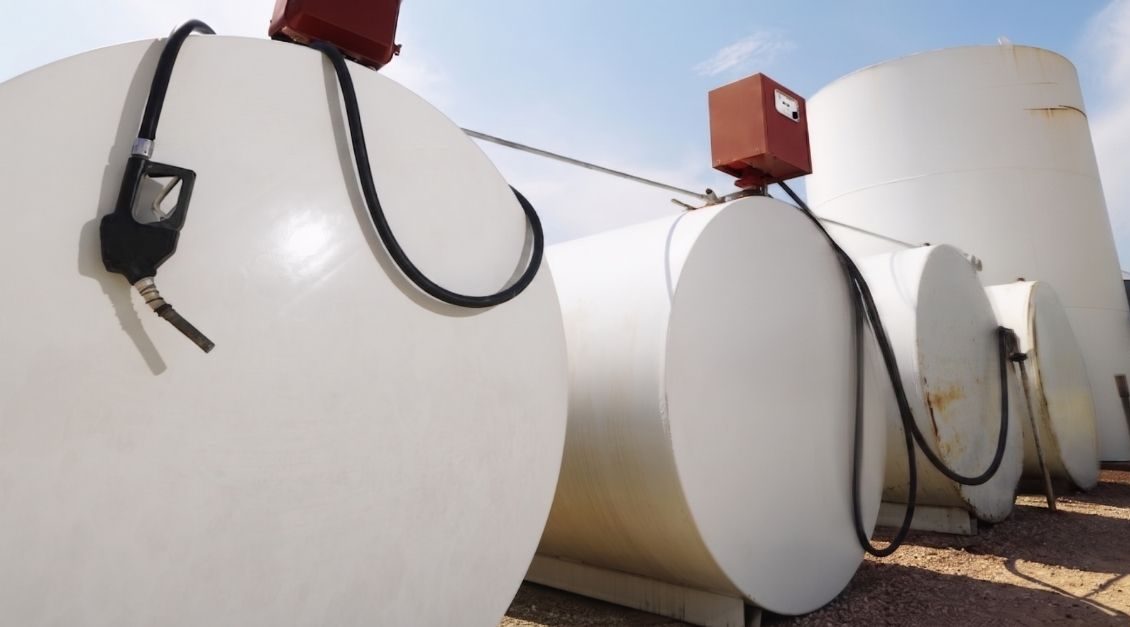
Diesel is an organic substance that naturally oxidises when exposed to air. Over a period of 6 to 12 months, this chemical reaction causes the fuel to darken, forming insoluble gums and resins. When a tank experiences low turnover, heavy rust, dirt, and these newly formed particles have ample time to settle at the bottom, creating a thick layer of sludge.
There is a persistent assumption that keeping a tank completely full prevents these issues by eliminating the airspace where condensation forms. While it does reduce air volume, it significantly increases the time the fuel sits stagnant. Because the FAME (Fatty Acid Methyl Ester) in modern biodiesel blends is highly hygroscopic, it naturally attracts moisture. Trapping water in stagnant fuel accelerates hydrolysis, further breaking down the fuel molecules and significantly reducing its shelf life.
Our Solution: Implement a First-In, First-Out (FIFO) policy and consider fuel stabilisers for fuel stored over three months to protect against quality loss.
The Myth of the Vacuum-Sealed Tank
There is a false sense of security that comes with a robust steel tank. Many operators assume robust steel tanks lock out contaminants. In reality, tanks breathe via vents for liquid displacement.

Even in temperate climates, daily UK temperature swings (10-20°C) draw in humid night air. When this moist air hits the cold internal walls, it condenses into a water layer that sinks to the bottom of the fuel. This water-fuel interface is the perfect breeding ground for microbes, yeasts, and moulds, commonly known as diesel bug. In just a matter of weeks, a severe infestation can produce a highly acidic sludge.
Our Solution: Fit tank vents with desiccant breathers and monitor for water regularly to prevent microbial contamination and protect fuel integrity.
Why Waiting for Vehicle Symptoms is Too Late
In many operations, the fuel tank only gets attention when a problem demands it. If the lorries are running, the fuel is assumed to be fine. Unfortunately, early-stage fuel degradation is entirely silent.
Modern common-rail diesel engines inject fuel at incredibly high pressures through microscopic holes. To protect these systems, onboard fuel filters are highly efficient, often filtering down to 2 or 4 microns. These filters will silently trap low levels of contamination, meaning the engine runs perfectly fine until the filter is entirely blocked by microbial waste.

A common question operations teams ask is: How often should we check for water or contamination in our tanks? If you are relying on manual methods, checks should ideally be performed at least weekly. However, relying on periodic spot checks, like a weekly or monthly dipstick reading, only provides a snapshot in time. It might show a centimetre of water today, but it won’t tell you how fast that water is accumulating.
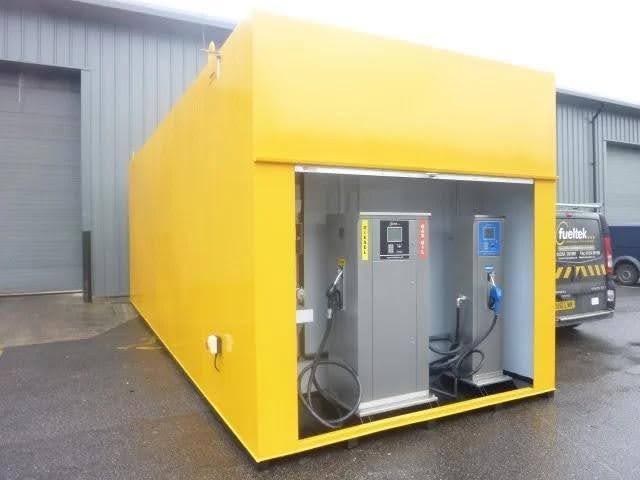
Our Solution: Move from manual spot checks to integrated fuel management systems for continuous oversight and earlier issue detection.
Integrating Fuel into Fleet Operations
Historically, fuel procurement and storage have been treated as isolated administrative tasks. However, fuel is a dynamic asset that directly dictates fleet performance and operational costs.
When fuel storage is siloed away from daily operations, managers cannot cross-reference poor MPG or frequent maintenance alerts with specific fuel batches. Poor storage habits degrade fuel combustibility, meaning vehicles must burn more diesel to achieve the same power output.

Our Solution: Use upgraded tanks with integrated monitoring to connect fuel quality data with fleet performance, ensuring proactive management.
Fuel Storage Habits vs Solutions
Instead of waiting for a breakdown to review your processes, use this quick checklist to map common risky habits to proactive, preventative solutions.
| Common Storage Habit | The Hidden Risk | The Proactive Solution |
| Leaving tanks at maximum capacity | Traps moisture and causes fuel to oxidise slowly over months of low turnover. | Implement strict FIFO stock rotation and aim to keep tanks at roughly 90% capacity. |
| Assuming sealed tanks don’t breathe | Daily temperature swings draw in damp night air, creating water beds that breed the diesel bug. | Fit desiccant breathers to vents and use advanced fuel monitoring tools to detect free water immediately. |
| Waiting for vehicle engine symptoms | Filters silently choke with microbial sludge long before an engine begins to hesitate or stall. | Phase out manual dipsticks; use continuous digital data logging to catch internal anomalies early. |
| Siloed fuel ops | Hidden MPG links between degrading fuel quality and poor fleet performance. | Unify your reporting with Fueltek fleet dashboards to display tank health alongside standard vehicle performance metrics. |
Take Control of Your Fuel Quality
Fuel is an active, evolving asset. Leaving it to sit passively in a tank while relying on reactive maintenance is a risk that can often be reduced with earlier visibility. True peace of mind comes from continuous, proactive monitoring.
This is where Fueltek bridges the gap between static storage and active fleet performance. Rather than piecing together disparate hardware from multiple suppliers, we design, manufacture, and install complete commercial fuel solutions entirely in-house. To ensure your fuel operates as reliably as your vehicles, contact our team today. We can help you replace an ageing storage setup to prevent contamination or seamlessly integrate real-time dispensing data into your existing fleet management software.