
Winter Ready Fleets: Preparing Your Fuel Systems for Cold Weather
For fleet, transport and operations managers, winter isn’t just about icy roads, it’s about whether your vehicles can actually leave the yard. If your onsite fuel system fails on a freezing morning, the entire fleet is stuck, drivers can’t refuel and the day’s schedules can unravel before sunrise.
Here’s how you get your vehicles, fuel storage tanks and dispensing equipment ready for the colder months, and why these steps matter for fleet reliability, uptime and meeting service level agreements.
Why is this Needed?
Picture a cold January morning, it’s -3°C, drivers are ready to start their first journey. The pump is slow, then stops entirely. Ice in the line and waxed diesel have blocked the filter. Deliveries are missed and operations spend the rest of the day recovering, all because of water in the tank that would’ve been caught by a routine winter check.
Protect Your Diesel: Winter Fuel System Essentials
When winter arrives, most attention goes toward vehicles, but your fuel storage and dispensing systems are just as vulnerable.
Diesel thickens in cold weather, a process known as waxing or gelling. Waxy crystals form as temperatures drop, which blocks filters, restricts flow and strains pumps.
Water contamination is another major risk. Condensation builds up inside tanks during temperature changes, and in freezing conditions this water can turn to ice, damage components and block lines. This is one of the most common causes of winter callouts.
Checking fuel quality, removing water and replacing filters early is far cheaper than dealing with a frozen or contaminated system mid-shift. It’s the difference between the cost of a routine filter change and losing a full morning of deliveries.
A proper pre-winter check of your tank, filters and dispenser is essential for avoiding disruption, callouts and reputational damage with clients relying on timed deliveries.

Use Fuel Monitoring Data to Spot Winter Problems Early
If you use Fueltek’s fuel monitoring systems, you already have an advantage in cold weather. Winter-related issues often show up as early warning signs in your data, such as:
- Slower dispensing speeds
- Unusual fuel draw patterns
- Unexpected drops in volume.
These small irregularities often indicate a developing blockage, a failing component or contamination inside the tank, long before a complete system failure occurs.
Monitoring gives fleet and operations managers the insight needed to act early, schedule preventative maintenance and avoid emergency callouts on freezing mornings.
For improved security and accountability during darker winter hours, consider pairing monitoring with Fueltek’s Secure Access Systems such as Data Tags or DataNozzle. These ensure only authorised users can draw fuel, reducing the risk of loss when supervision is lower.
Early Winter Checks for Fleet Managers
Vehicle checks are important, but they should be viewed through an operational lens: every preventable breakdown is a missed delivery and a potential SLA failure.
Before the first frost:
- Tyres must be roadworthy. Fleets working in remote or ungritted areas may benefit from winter-certified tyres that maintain grip in low temperatures and help avoid weather-related downtime.
- Battery checks are vital. Weak batteries struggle in the cold. Replacing one ahead of time costs far less than the lost labour and towing costs of a roadside failure.
- Ensure screen wash is winter-safe to prevent frozen systems and visibility issues that can delay drivers setting off.
These are small actions, but they protect schedules, keep vehicles moving and reduce unplanned maintenance.
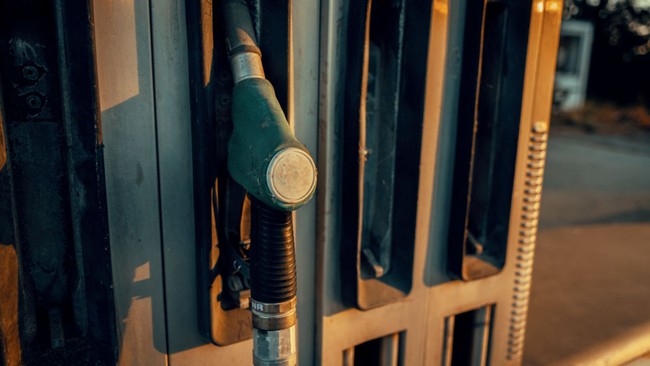
Fuel Monitoring That Prevents Winter Downtime
Norfolk Fire & Rescue now rely on Fueltek’s FT4000 fuel-management system, TankWatch tank probes and online reporting to monitor fuel levels, dispensing rates and alarm conditions in real time.
In freezing temperatures, this system offers critical visibility: operations managers can spot slow refuelling or unusual draw patterns, indicators of potential glucose formation, ice, or water contamination, before it leads to downtime.
Thanks to this proactive setup, they keep fire engines ready to go, avoid costly callouts and maintain reliable service through the coldest months.

Need Help Preparing Your Fuel System for Winter?
Winter doesn’t need to be disruptive. A little early care goes a long way. If you’d like support checking your fuel tanks, pumps, or monitoring setup, the Fueltek team can help.
See how Fueltek can help prepare your fuel system this winter or get in touch to speak with an expert today!
FAQs
How do I stop diesel from waxing in winter?
Use winter-grade diesel where possible, schedule filter changes before temperatures drop and ensure tanks are clean and dry. Regular checks of dispensing speed can also help flag early signs of gelling.
What checks should I run on fuel tanks before winter?
Inspect for water contamination, replace filters, check seals and ensure vents and caps are secure. A tank clean may be necessary if contamination is found.
How can a fuel monitoring system help in cold weather?
Monitoring highlights irregular fuel patterns, slow dispensing and unusual usage trends, giving operations managers early insight to prevent failures before they stop the fleet.